EDP vs EDT: What Perfume Concentration Actually Means (And Which to Choose)
You're holding two bottles of the "same" perfume. One says Eau de Toilette, one says Eau de Parfum. One costs noticeably more. Nobody at the counter can quite explain why. Let's fix that in five minutes.
The quick answer
Eau de Parfum (EDP) and Eau de Toilette (EDT) are the same idea at different strengths. Both are perfume oil dissolved in alcohol; the difference is the concentration of that oil. An EDT typically holds 5-15% fragrance oil and lives on your skin for 2-4 hours. An EDP holds roughly 15-20% and stays for 5-8 hours or more, sitting closer to the skin and unfolding more slowly. More oil means more depth, more longevity, and usually a higher price, because the oil is the expensive part.
What "concentration" actually means
Every perfume is essentially two things: the compound (the blend of naturals and aroma molecules the perfumer composed) and the carrier (perfumer's alcohol, sometimes a whisper of water). Concentration is simply how much compound is in the bottle. It is the difference between a glass of cordial made properly and one made by someone who was being careful with the syrup.
Concentration is also why the same fragrance can feel like two different people at two strengths. Dilution doesn't just make a scent quieter. It changes which notes you meet first, how the drydown behaves, and how close someone has to stand to notice you're wearing anything at all.
The concentration ladder, from lightest to deepest
| Type | Fragrance oil | Typical longevity | Character |
|---|---|---|---|
| Eau Fraîche | 1-3% | ~1 hour | A rumor of a scent. Splash-on freshness. |
| Eau de Cologne (EDC) | 2-5% | ~2 hours | Bright, citrusy, historically a morning ritual. |
| Eau de Toilette (EDT) | 5-15% | 2-4 hours | Lively opening, lighter base. Made to be reapplied. |
| Eau de Parfum (EDP) | 15-20% | 5-8+ hours | Fuller, warmer, closer to the perfumer's intention. |
| Parfum / Extrait | 20-40% | 8-12+ hours | Dense, intimate, worn in small deliberate doses. |
Ranges vary by house; these are conventions, not laws. Some EDTs outlast lazy EDPs. Composition matters as much as concentration.
EDP vs EDT: which should you choose?
Choose an EDT if you want a scent for the first half of the day and you like your fragrance to arrive brightly and leave politely. Office environments, hot climates at midday, and people who enjoy reapplying tend to suit EDTs.
Choose an EDP if you want one considered application to carry you from morning coffee to evening plans. EDPs project less aggressively than people assume. The extra oil doesn't shout; it endures. It's the difference between someone who talks loudly and someone whose words stay with you.
Three practical notes most guides skip:
- Skin chemistry outranks the label. Dry skin releases scent faster; well-moisturized skin holds it. An EDP on dry skin can behave like an EDT. (Here's how to make any perfume last longer on skin.)
- Heat changes the math. In warm weather, EDTs can vanish by lunch while an EDP softens into something quieter and better. In winter, EDPs and extraits come into their own.
- Concentration doesn't change shelf life. Stored well (cool, dark, capped), both last for years. (More on whether perfumes expire.)
Why everything we make is an Eau de Parfum
At Mitti Parfum we compose only EDPs, and it's a deliberate choice rather than a default. Our fragrances are built around memory: the first rain on warm earth, a cold lake crossed at dawn. Memory doesn't work at 8% concentration. We wanted the petrichor to still be there at hour six, the way a real monsoon lingers in the air long after the clouds have moved on.
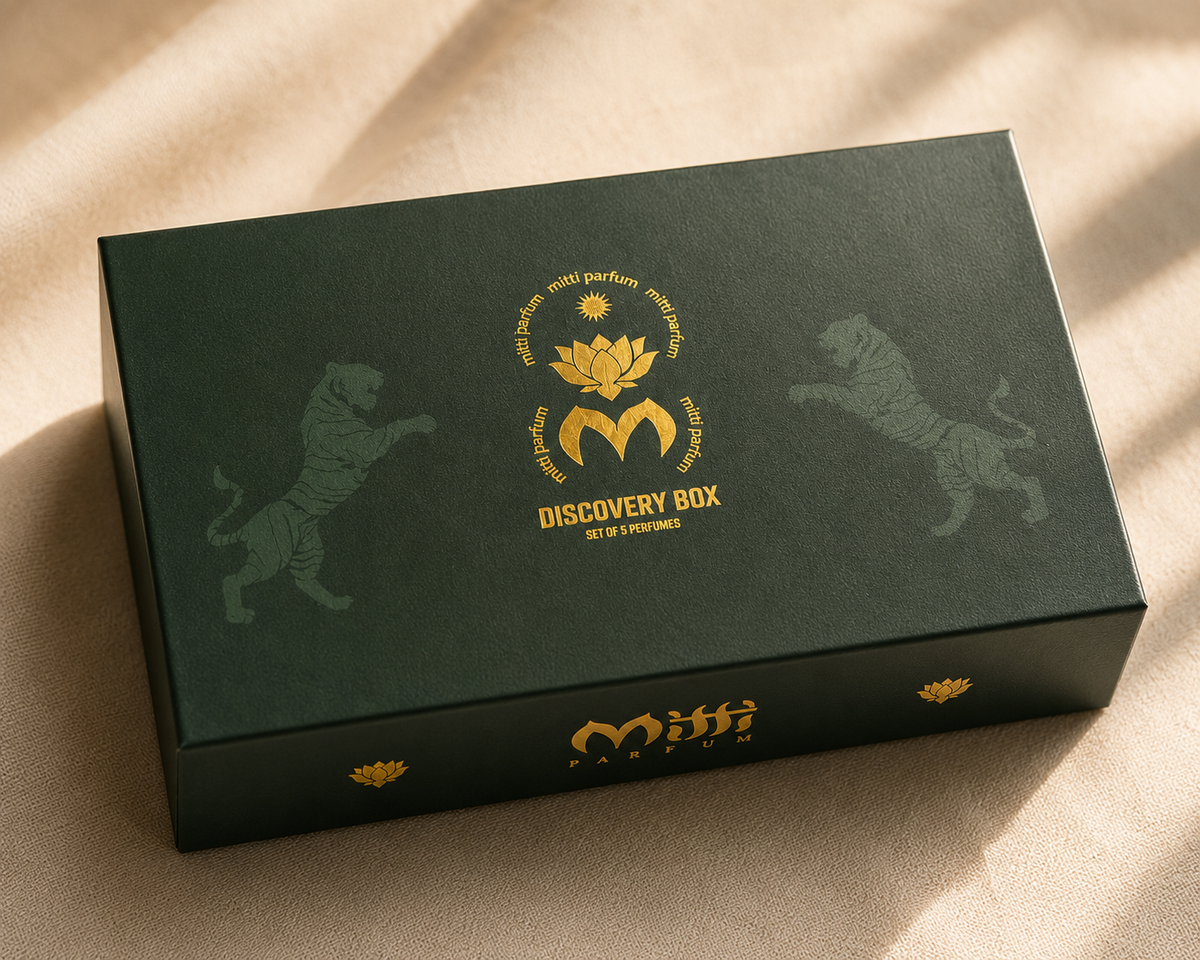
The 35ml bottle is part of the same philosophy: a full-strength perfume in a size you'll actually finish while you still love it, at a price that doesn't require a committee decision. If you're new to the house, the Discovery Set lets you wear all five EDPs on skin before committing to one, which, given everything above about skin chemistry, is the only honest way to choose a fragrance at any concentration.
Frequently asked questions
Is Eau de Parfum stronger than Eau de Toilette?
Yes. An EDP contains roughly 15-20% fragrance oil versus 5-15% for an EDT, so it lasts longer and wears with more depth. "Stronger" doesn't mean louder, though: EDPs often sit closer to the skin while simply refusing to leave.
Which lasts longer, EDP or EDT?
EDP, almost always. Expect 5-8+ hours from a well-made EDP against 2-4 hours from an EDT of the same composition.
Is parfum better than Eau de Parfum?
Not better, just deeper. Parfum (extrait) is 20-40% oil, worn in dabs rather than sprays. It's a different ritual: more intimate, less projection, longest wear. Many people find EDP the most versatile concentration for daily life.
Why is EDP more expensive than EDT?
The fragrance compound is the costliest ingredient in the bottle. More oil per milliliter means more of the expensive part, particularly when the compound leans on naturals like jasmine, saffron, oud, or sandalwood.
How many sprays of an EDP should I use?
Two to four is plenty: pulse points, warm skin, and then stop. If people can smell you before they see you, subtract one spray tomorrow.
Curious how a full-strength EDP built on South Asian scent memory actually wears? Start with all five at once: the Discovery Set ships free, with a credit toward the bottle you fall for.
Curious where to begin?
The Discovery Set · $52 →